

Korean routine for clogged
pores: an example
Small bumps on the chin, blackheads that keep coming back on the nose and a less radiant texture on the cheeks don't necessarily call for a harsher routine. An effective Korean routine for clogged pores, with an example, relies instead on consistency, well-dosed actives and skin that is hydrated enough not to produce even more sebum.
The goal isn't to "close" pores - they don't really open or close. It's about limiting the build-up of sebum, dead cells, sunscreen filters and make-up that makes them look more visible. With the right steps, skin texture gradually becomes smoother, clearer and more balanced.
Why do pores get clogged?
A clogged pore is a follicle in which sebum and dead cells accumulate. In contact with air, this mixture oxidises and forms a blackhead. When it stays below the surface, it can take the form of a microcyst or a small skin-coloured bump. Combination to oily skin is naturally more prone to this, but dehydrated, sensitised or poorly cleansed skin can experience it too.
The urge to strip is tempting, especially when the T-zone is shiny. Yet piling up grainy scrubs, purifying masks or overly harsh cleansers weakens the skin barrier. Skin can then feel tight, turn red and sometimes overcompensate with more sebum. The K-beauty logic is gentler: cleanse precisely, exfoliate without excess, soothe and hydrate every day.
Korean routine for clogged pores: an evening example
The evening is the key moment to remove everything that has settled on the skin during the day. This routine suits combination, oily or blackhead-prone skin without significant inflammation. If your skin is very reactive or under dermatological treatment, introduce actives even more slowly.
1. The double cleanse, without the squeaky-skin effect
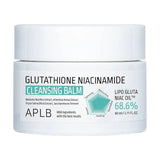
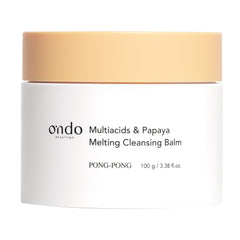
Start with a cleansing oil or balm, even if you don't wear foundation. This first step helps dissolve oxidised sebum, sunscreen and oil-soluble impurities. Gently massage onto dry skin, spending a few seconds on the nose, chin and sides of the nose, then add a little water to emulsify before rinsing.

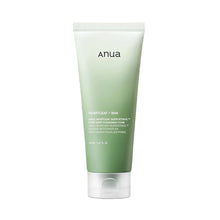
Follow with a gentle water-based cleanser, ideally at physiological pH. An overly stripping foam won't make pores cleaner in the long run. After rinsing, your skin should feel fresh and comfortable, never tight. Gentle gel formulas are often especially pleasant for skin that shines while lacking water.
2. A BHA exfoliant, two to three evenings a week
Salicylic acid, also called BHA, is the go-to active when pores are clogged. Being oil-soluble, it can work within the pore environment to help loosen sebum and lift dead cells. Apply a BHA lotion or essence to clean, dry skin, without rubbing, then let the product work.

Two evenings a week are enough to start. After three or four weeks, you can move to three evenings if your skin stays comfortable. A slight adjustment phase is possible, but a persistent burning sensation, red patches or marked flaking mean the pace is too intense. On those evenings, avoid layering retinol, strong AHAs or acidic vitamin C.
3. A hydrating essence to keep skin stable
This step is often underestimated by oily skin. Yet an essence based on humectants, panthenol, hyaluronic acid or beta-glucan provides water without weighing skin down. It helps the skin better tolerate exfoliating actives and gives that bouncy glow typical of a well-balanced routine.
Pat in one or two thin layers with your hands. If your skin turns red easily or is sensitised, also favour centella asiatica, allantoin or mugwort. These ingredients don't directly unclog pores, but they support calmer skin, and therefore a more consistent routine.
4. A balancing serum, without stacking actives
On evenings without BHA, a niacinamide serum can help balance excess sebum, visually refine skin texture and fade post-blemish marks. A moderate concentration is often better tolerated than a very high dose, particularly if your skin is sensitive.

You can also choose a hydrating, repairing serum on evenings when your skin feels uncomfortable. Consistency brings more results than piling up serums. A single targeted product, applied regularly, is more than enough in most cases.
5. A light cream that doesn't deprive the skin
Finish with an emulsion or gel-cream containing, for example, ceramides, light squalane or panthenol. A fresh texture doesn't mean insufficient care: what matters is that it keeps skin supple until morning, without an uncomfortable greasy film.
Oily skin may enjoy gel-cream textures, while dehydrated combination skin will sometimes need a slightly richer cream on the cheeks. This is where observation counts: an effective routine respects the needs of each area of the face.
And in the morning, what should you do?
In the morning, keep the routine short to preserve the balance achieved the night before. A lukewarm water rinse or a very gentle cleanser is enough, depending on your skin type. Then apply a hydrating essence or serum, possibly a niacinamide product if you tolerate it well, then a light cream if needed.
Sun protection is non-negotiable. It prevents marks from deepening, limits UV-related inflammation and helps maintain an even complexion. Choose a fluid or gel texture suited to combination to oily skin, and apply a generous amount every morning. Without SPF, the benefits of products targeting texture and blemishes will be far less visible.

The mistakes that keep blackheads coming back
A clay mask can give an instant clean effect, but it doesn't replace regular BHA exfoliation. Use it once a week at most if your skin likes it, and apply it to the T-zone rather than the whole face if your cheeks are sensitive.
Nose strips remove a superficial part of the pores' contents, without treating the cause of the congestion. They can be used occasionally for a one-off result, but they shouldn't become the centre of your routine. Likewise, squeezing comedones with your fingers increases the risk of irritation, marks and inflammation.
Also beware of changing products too often. Testing a new exfoliant, a new cream and a retinol in the same week makes it impossible to identify a reaction. Introduce one product at a time and give it at least two to three weeks before judging how comfortable it is. To see an improvement in clogged pores, generally allow six to eight weeks of consistent routine.
When should you add retinol?
Retinol can be an excellent option if clogged pores come with uneven texture, acne marks or fine lines. It promotes cell turnover, but it requires patience. Start one evening a week, in place of BHA, then increase very gradually.
Don't mix retinol and salicylic acid in the same routine at first. Alternating is simpler and often more effective: BHA two evenings, retinol one evening, then hydration and repair on the other evenings. In case of persistent, painful or widespread inflammatory acne, a dermatologist's advice remains the most suitable solution.
- APLB Glutathione Niacinamide Cleansing Balm for the first step of the double cleanse
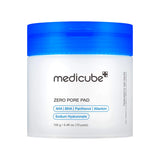
- MEDICUBE Zero Pore Pad 2.0 for exfoliation on dedicated evenings, two to three times a week
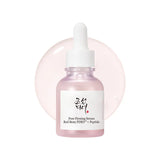
- Beauty of Joseon Pore Firming Serum for evenings without exfoliant, when you target sebum and visible pores
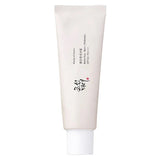
- Beauty of Joseon Relief Sun SPF50+ for the non-negotiable morning sun protection
- See the full K-beauty selection →
- Pores don't open or close: you limit the build-up that makes them visible.
- Evening: gentle double cleanse, BHA two to three evenings a week, essence, serum, light cream.
- Morning: a short routine and generous, non-negotiable sun protection.
- Avoid stripping, squeezing comedones and changing products too often.
- Allow six to eight weeks of consistent routine to see an improvement.
At Haru & Bom, the idea is to build a routine you'll want to stick to: pleasant textures, clear actives and the right steps for your skin. Start gently, watch your complexion week after week and give your skin time to find its balance again. Discover the K-beauty selection →