
Example of a rosacea routine
morning and evening
Rosacea doesn't calm down with a longer routine, but with a more consistent one. If you're looking for an example of a rosacea routine, the first step is to cut back on invisible aggressors: water that's too hot, stripping cleansers, layering actives, repeated rubbing and unprotected sun exposure. The goal isn't to make redness disappear overnight. It's to help your skin regain comfort, a more stable skin barrier and a visibly less reactive complexion.
K-beauty is particularly interesting for this concern when it favours light textures, soothing formulas and hydration in thin layers. But even the best product becomes irritating if it's used too often or combined with too many actives. With rosacea-prone skin, consistency almost always beats intensity.
Before you start: rosacea or simple redness?
Rosacea can take several forms: persistent diffuse redness, feelings of heat, small visible blood vessels, inflammatory bumps similar to acne, or stinging on contact with water and cosmetics. Some skin reacts mostly to temperature changes, others to sun, stress, alcohol, spicy food or exfoliants.
A cosmetic routine can support skin comfort, but it doesn't replace a dermatological diagnosis or a prescribed treatment. See a doctor if redness settles in, if inflammatory bumps appear, if your eyes are dry, painful or irritated, or if every new product causes a burning sensation. A dermatologist can tell rosacea apart from dermatitis, adult acne or a contact allergy.
In the meantime, adopt a very useful rule: introduce only one new product at a time and keep it for at least two weeks before adding another. That way you'll understand what your skin really likes.
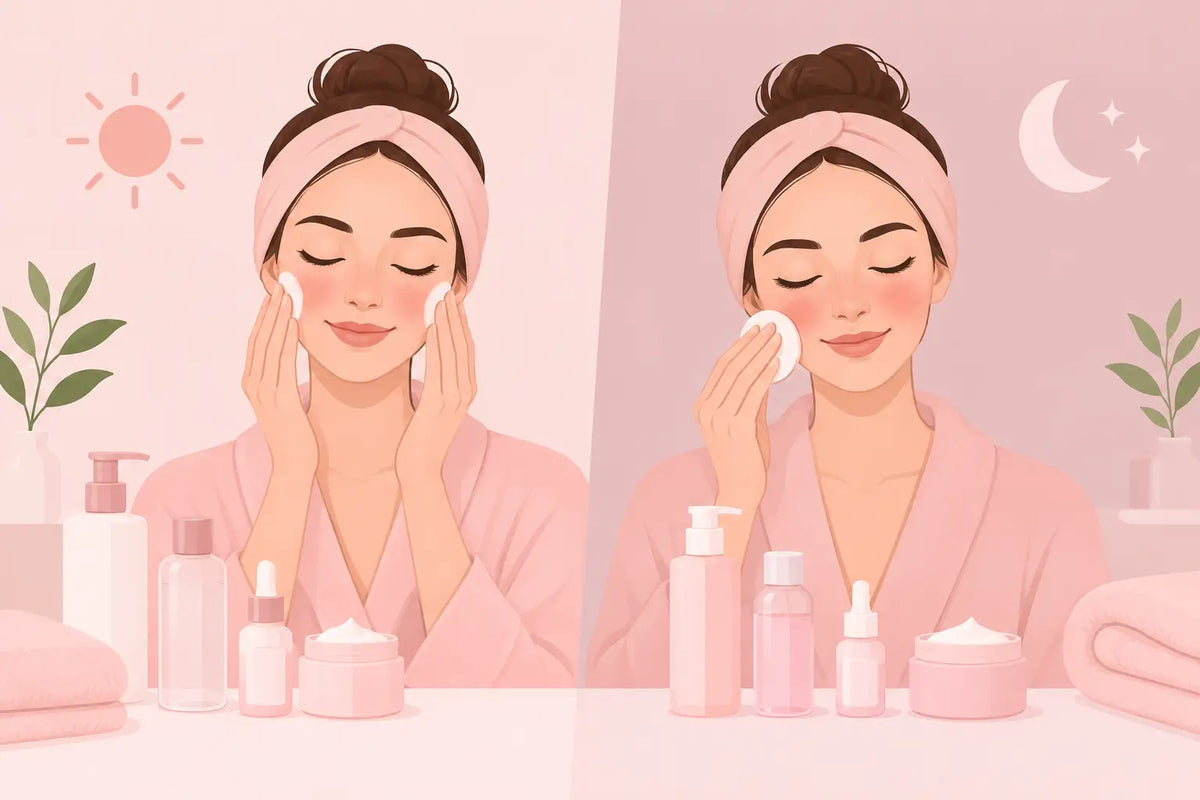
Example of a rosacea routine in the morning
In the morning, aim for supple, protected and comfortable skin without overloading it. Three steps are enough in most cases: a very gentle cleanse if needed, soothing hydration and sun protection.
1. Cleanse without stripping
If your skin is neither oily nor congested when you wake up, a rinse with lukewarm water may be enough. The water should be neither hot nor icy: extreme temperatures promote vasodilation and can intensify the burning sensation.
If you prefer to cleanse, choose a milk, a cream wash or a gentle-pH gel, with no scrub, no cleansing brush and no strong fragrance. Massage very briefly with damp hands, then pat your face dry with a clean, soft towel. Rubbing, even with good intentions, often keeps redness going.
2. Rely on an essence or a barrier serum
After cleansing, apply a hydrating texture to slightly damp skin. The most interesting ingredients are centella asiatica, panthenol, beta-glucans, allantoin, hyaluronic acid and ceramides. They don't need to sting to work: their role is to support hydration and limit feelings of discomfort.
A fluid essence can be ideal if your skin lacks water but doesn't tolerate rich textures well. A creamier serum will suit you better if you feel tightness or if some areas are peeling. Apply a thin layer, then wait a few seconds. Layering five coats of essence isn't necessary if your skin turns red at the slightest rubbing.

Niacinamide can also help better balance the skin barrier and the appearance of redness. Preferably start with a moderate concentration, around 2 to 5%. Highly concentrated formulas aren't automatically more effective for reactive skin and can cause warmth or stinging in some people.
3. Seal in hydration with a suitable cream
Choose a cream without an excessively filmy feel, but nourishing enough to keep your skin from feeling tight before noon. Ceramides, squalane, biomimetic lipids and some soothing oat derivatives are good allies. A gel cream feels pleasant on combination skin, while a more cocooning cream can make a difference in winter, in air conditioning or in a windy environment.
4. Never compromise on sun protection
UV rays are a common trigger of redness and can make skin more sensitive over time. Every morning, apply a broad-spectrum SPF 50 sun protection, even if the sky is overcast or you work near a window. Quantity matters: for the face and neck, aim for the equivalent of two finger lengths, applied in two passes if that makes even coverage easier.

The best protection is the one you'll actually wear. Organic filters often offer very light textures; mineral filters may be appreciated by some extremely sensitive skin, but their thicker or whitening finish doesn't suit everyone. Test without adding other new products the same week.
In the evening: repair rather than over-treat
In the evening, your routine can stay minimalist. It's time to properly remove sunscreen, rehydrate and let the skin recover.
Double cleansing, only if your skin tolerates it
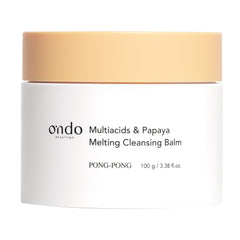
If you wear long-lasting sunscreen or makeup, start with a gentle cleansing oil or balm, emulsified with lukewarm water. Follow with a gentle cleanser. This method can be comfortable, as long as you don't prolong the massage and avoid fragranced formulas or ones rich in essential oils.
Without makeup and with a light sunscreen, a single careful cleanse may be enough. There's no medal for ten-step routines: rosacea-prone skin often prefers simplicity.
Go back to soothing care
After cleansing, return to your hydrating essence or serum. You can also use a targeted serum based on centella asiatica, panthenol or azelaic acid if the latter is well tolerated. Azelaic acid is known for its value on redness and inflammatory blemishes, but it can sting at first. Introduce it two evenings a week on perfectly dry skin, then increase slowly if your skin stays comfortable.

Finish with a barrier cream. If some areas are particularly dry, apply a slightly more generous amount locally rather than weighing down the whole face. This approach is often more pleasant for combination skin with redness on the cheeks and excess sebum on the T-zone.
Actives to use with discernment
Rosacea doesn't rule out all actives, but it calls for pacing and moderation. AHAs, BHAs, grainy scrubs, DIY peels and very acidic cleansers can weaken already reactive skin. If you have clogged pores or blemishes, it's better to discuss a gradual strategy with a professional than to exfoliate every night.
Retinol is also an area for caution. Some skin tolerates it at a low dose, with spaced-out use and a good barrier cream; for others, redness gets worse. Don't start retinol, acidic vitamin C, an exfoliant and high-concentration niacinamide at the same time. Radiant skin isn't built in a rush.
Vitamin C can be interesting for radiance and dark spots, but low-pH formulas are sometimes uncomfortable. If you want to try it, opt for a gentler derivative, applied two to three mornings a week to start, and stop if you feel persistent heat, itching or patches.
The habits that really change your skin
Products matter, but habits matter just as much. Avoid facial steam baths, scalding water, rough towels and vigorous gua sha massages when your skin is flaring. Keep your routine stable for several weeks before judging the results: with rosacea, improvement first shows as less tightness and fewer episodes of heat, before a gradual reduction in redness.
Also note your personal triggers on your phone. It's not about controlling everything, but about spotting a pattern: a hot day, a glass of alcohol, a spicy dish, an intense workout or a new serum. Reading your skin this closely will help you adjust your routine more accurately.
At Haru & Bom, the most relevant approach for rosacea-prone skin remains this: select few products, but consistent, authentic formulas focused on skin comfort. The glow you're after doesn't come from over-stimulated skin. It appears when your skin is calm enough to reflect its natural light.
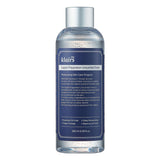
- Dear Klairs Supple Preparation Unscented Toner for fluid, fragrance-free hydration in a thin layer
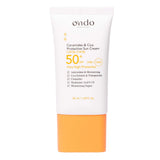
- ONDO BEAUTY Ceramide & Cica Protective Sun Cream for your SPF 50 sun protection every morning
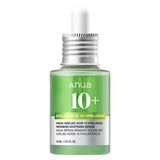
- ANUA Azelaic Acid 10 Hyaluron Redness Soothing Serum to introduce azelaic acid two evenings a week, if your skin tolerates it
- See the full K-beauty selection →
- With rosacea-prone skin, consistency beats intensity: few products, but consistent ones.
- In the morning: a very gentle cleanse if needed, soothing hydration and SPF 50 sun protection every day.
- Introduce only one new product at a time and keep it for at least two weeks.
- Exfoliants, retinol and acidic vitamin C call for pacing and moderation; don't start them at the same time.
- A cosmetic routine doesn't replace a dermatological diagnosis: see a doctor if redness settles in.
If your skin is going through a flare-up, go back to three steps without guilt: cleanse gently, hydrate, protect from the sun. This pause isn't a step back in your routine; it's often the smartest care you can give it. Discover the K-beauty selection →