

Ceramide guide for dry
and dehydrated skin
Your moisturiser seems to vanish a few minutes after you apply it, your cheeks feel tight and your complexion lacks radiance despite a well-built routine? This ceramide guide for dry, dehydrated skin helps you pinpoint what your skin is really missing: often it isn’t a richer product, but a better-protected skin barrier.
Ceramides are among those discreet but decisive ingredients. Widely used in K-beauty, they don’t promise a spectacular overnight effect. Their strength lies elsewhere: they help the skin hold on to water, tolerate active ingredients better and regain that supple, comfortable, luminous feel we like to call a healthy glow.
Dry or dehydrated skin: the difference changes everything
Dry skin mainly lacks lipids, meaning the oils naturally present on its surface. It can be thin, rough, uncomfortable and sometimes prone to small flakes. This skin type needs emollients, oils it tolerates well and ingredients able to strengthen its protective film.
Dehydrated skin lacks water. It isn’t a skin type but a temporary condition that can affect dry, normal, combination or oily skin. You can often recognise it by a feeling of tightness, dehydration lines, a less plump complexion and sometimes a paradoxical excess of sebum. Oily skin that shines but feels tight after cleansing can absolutely be dehydrated.
The two situations frequently overlap. When the skin barrier is weakened by an overly stripping cleanser, exfoliants used too often, retinol, cold weather or air conditioning, water evaporates faster. This is what makes skin reactive, uncomfortable and less even. Ceramides act precisely at this level.
What do ceramides do for the skin barrier?
Picture the outer layer of the skin as a wall. The cells are the bricks, and the lipids, including ceramides, are the mortar that holds them in place. When this mortar is well organised, the skin limits transepidermal water loss and better withstands everyday aggressors: temperature changes, pollution, friction, potent actives or hard water.
Ceramides are already naturally present in the epidermis. With age, sun exposure, certain treatments or an overly intensive routine, their quality and quantity can decrease. Products that contain them don’t mechanically replace the skin, but they provide very relevant support to restore a feeling of comfort and strengthen the barrier function.
The expected result is gradual. After a few applications, you may feel less tightness. After several weeks of a regular routine, the skin often looks more supple, less sensitive, plumper and more stable. Redness linked to discomfort may also calm down, although ceramides are not a medical treatment for eczema or rosacea.
Ceramide guide for dry and dehydrated skin: which product to choose?
For dry skin, a ceramide cream is generally the best starting point. It often combines humectants, such as glycerin or hyaluronic acid, with emollients and occlusive agents that limit water evaporation. Look for a texture that leaves your skin supple for several hours, not just soft at the moment of application.
If your skin is dehydrated but combination or prone to blemishes, don’t give up on ceramides for fear of an overly rich texture. Instead, go for a milky essence, a hydrating lotion or a light barrier serum, then finish with a gel-cream or a balancing cream. A well-chosen formula can hydrate without weighing down the T-zone or accentuating that greasy-film feeling.

The most interesting combination brings together ceramides, cholesterol and fatty acids. These elements are naturally part of the skin barrier’s lipids and work in synergy. Formulas containing panthenol, centella asiatica, beta-glucan or squalane are also great options when the skin is uncomfortable or sensitised.
The INCI list may show names such as Ceramide NP, Ceramide AP, Ceramide EOP or Ceramide NG. There’s no need to hunt for a precise concentration, which is rarely disclosed. The overall coherence of the formula, its texture and how well your skin tolerates it matter more than a single ingredient highlighted on the label.
The routine that really locks in hydration
Ceramides work best when they’re part of a routine that avoids weakening the barrier at every step. Start with a gentle cleanser, ideally at a physiological pH, that leaves the skin clean but never squeaky. That “stripped clean” feeling is often a sign that too many protective lipids have been removed.
On still slightly damp skin, apply a hydrating lotion or essence. Watery textures bring the water a dehydrated skin lacks, but that water needs to be held in. This is where a serum followed by a ceramide cream makes perfect sense: they create a more favourable environment to maintain hydration over time.
In the morning, finish with suitable sun protection. UV rays contribute to skin ageing and can compromise the quality of the barrier. In the evening, a slightly more generous layer of cream can be helpful, especially if you use actives such as retinol, AHAs/BHAs or vitamin C.

Piling on layers isn’t always the right move. Skin that stings may prefer three very well-tolerated products over a nine-step routine. During a flare-up, simplify: gentle cleanser, hydration, ceramide care, sun protection in the morning. You can gradually reintroduce your exfoliants and targeted serums once comfort is restored.
Ceramides and potent actives: the right combinations
Ceramides are particularly useful if you follow an anti-blemish or anti-ageing routine. Salicylic acid, AHAs and retinol can deliver real results on pores, marks and texture, but they sometimes increase dryness or sensitivity when poorly dosed. A barrier product doesn’t neutralise their effects; it helps the skin tolerate them better.
You can apply a ceramide serum after an exfoliating active if your skin tolerates it. With retinol, a simple method for very sensitive skin is to use a ceramide cream before and after the active. However, if burning, persistent patches or significant itching appear, pause your actives and ask a healthcare professional for advice.
Niacinamide is an excellent partner for ceramides: among other things, it helps the skin support the synthesis of its own lipids, while targeting excess sebum, pores and uneven skin tone. It’s a combination particularly suited to dehydrated combination skin that wants comfort without sacrificing a fresh, light finish.

The mistakes that stop your skin from repairing
Changing creams every three days is the first mistake. A barrier routine requires consistency, and it often takes two to four weeks to properly judge tolerance and comfort. The other trap is using a ceramide cream within an otherwise overly aggressive routine: intensive double cleansing morning and night, repeated scrubs and several irritating actives can cancel out a large part of the benefits.
Also be careful with textures chosen solely according to the season. In Réunion as in mainland France, humidity, air conditioning and temperature changes influence your skin’s needs. A rich cream may be perfect at night but uncomfortable during the day in a hot climate. In that case, keep the ceramides but adapt the texture: lotion or gel-cream in the morning, a more cocooning cream at night.
Finally, don’t confuse nourished skin with smothered skin. If microcysts or unusual congestion appear, the formula may be too occlusive for you, or simply layered in too large a quantity. Reduce the number of layers before ruling out ceramides for good.
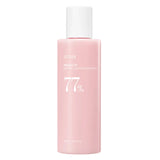
- ANUA Peach 77% Niacin Conditioning Milk to hydrate dehydrated skin without an overly rich texture
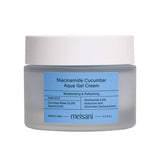
- MEISANI Niacinamide Cucumber Aqua Gel Cream to combine niacinamide and comfort on dehydrated combination skin
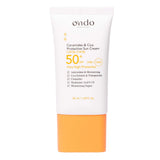
- ONDO BEAUTY Ceramide & Cica Protective Sun Cream to finish your morning routine with sun protection
- See the full K-beauty selection →
- Dry skin lacks lipids, dehydrated skin lacks water: the two situations frequently overlap.
- Ceramides are the mortar of the skin barrier: they help the skin hold on to water and tolerate actives better.
- When your skin is uncomfortable, simplify: gentle cleanser, hydration, ceramide care, sun protection in the morning.
- A barrier product doesn’t neutralise potent actives; it helps the skin tolerate them better.
- It often takes two to four weeks of consistency to judge a barrier product.
Choosing ceramide care means giving your skin a more stable foundation so it can respond better to the rest of your routine. At Haru & Bom, the goal stays the same: helping you build a precise, comfortable K-beauty routine adapted to what your skin is telling you today. Take time to observe its reactions: when the barrier rebalances, the glow often becomes much easier to achieve. Discover the K-beauty selection →