
How to layer Korean
skincare actives
Layering a vitamin C serum, a hydrating essence and a ceramide cream can bring out a very visible glow. On the other hand, combining exfoliating acids, retinol and benzoyl peroxide at the same time can turn good intentions into skin that stings, reddens and peels. Knowing how to layer Korean skincare actives is not about stacking the most powerful products: it’s about building a routine that respects your skin’s ability to tolerate them.
K-beauty has a particular strength: it offers light, sensorial textures that are easy to combine, from gentle exfoliating toners to essences concentrated in centella asiatica. But a gentle formula doesn’t make every combination automatically compatible. Order, frequency and the state of your skin barrier make all the difference.
How to layer Korean skincare actives without irritation
The most useful rule is simple: apply your products from the thinnest to the richest. After cleansing, start with watery lotions, toners or essences, then move on to serums and ampoules, before finishing with your cream. In the morning, sun protection always closes the routine.
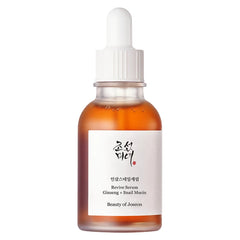
This order mainly helps spread textures comfortably over the skin. It doesn’t replace thinking about the actives. Two very fluid serums shouldn’t necessarily be used one after the other if their ingredients risk sensitising your skin. Conversely, a snail mucin or centella essence can prepare the skin very well before a more targeted treatment.
Also think in families of actives. Hydrating and repairing ingredients - hyaluronic acid, beta-glucan, panthenol, ceramides, squalane - are the easiest allies to combine. They don’t require complicated calculations and can go with almost any routine. Transforming actives, on the other hand, deserve a more considered pace: AHA, BHA, PHA, retinol, retinal, pure vitamin C or benzoyl peroxide.
Start with a base that protects the skin barrier
Before targeting dark spots, pores or fine lines, check that your skin stays comfortable between two cleanses. A weakened barrier often shows up as tightness, stinging with products you usually tolerate well, diffuse redness or small persistent blemishes. In that case, adding a new exfoliant won’t solve the problem.
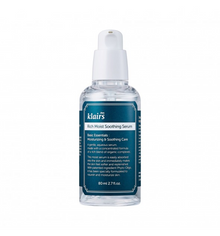
For a few days, simplify: gentle cleanser, hydrating essence or lotion, soothing serum and nourishing cream. Centella asiatica, panthenol, ceramides and ferments are particularly interesting to get back to skin that is more stable, supple and less reactive. This phase isn’t a pause in your results: it creates the conditions for targeted actives to work without causing inflammation.
At Haru & Bom, the fairest approach is to first choose one main active according to your priority, then surround it with hydrating and soothing care. Acne-prone skin may need BHA, but also water and lipids. Skin marked by dark spots may enjoy vitamin C, while still needing ceramides to stay comfortable.
The combinations that work most often
Niacinamide is one of the most flexible actives to add. It helps balance excess sebum, support the skin barrier and improve the look of uneven skin tone. You can use it with hyaluronic acid, ceramides, centella, peptides and, in most cases, with vitamin C. If your skin is sensitive, simply prefer moderate concentrations and introduce only one new product at a time.

Vitamin C naturally belongs in the morning, after a hydrating lotion if you use one and before a light cream. It helps bring radiance and target dark spots, while sunscreen protects the skin from the UV rays that keep hyperpigmentation going. Some skin types tolerate niacinamide right after very well. Others will prefer to alternate them, especially with a low-pH vitamin C formula that may tingle at first.

Retinol or retinal is best used in the evening. After cleansing, apply it to completely dry skin if you are a beginner or have sensitive skin, then add a cream rich in repairing ingredients. The sandwich technique is very reassuring: a thin layer of cream, the retinoid treatment, then a second layer of cream. The active may sometimes be slightly less intense, but consistency is better than irritation that forces you to stop everything.

For blemishes, salicylic acid or BHA is valuable because it works inside the pore. A gentle BHA toner can be used one to three times a week at first, depending on the formula and your tolerance. Follow it with a soothing essence and a non-aggressive cream. On days without BHA, focus on hydration: oily skin doesn’t need to be stripped to look clearer.

Mixes to space out rather than ban
The real issue isn’t always a chemical incompatibility: it’s often cumulative irritation. AHA or BHA and retinol can be excellent within the same overall routine, but rarely on the same evening at first. Alternate them. For example, one BHA evening for pores, two repair evenings, one retinol evening, then soothing care again.
Benzoyl peroxide also deserves particular attention. It can be very effective on inflammatory acne, but it dries the skin easily and can increase sensitivity with retinol or acids. If you use it, avoid layering it with these actives in the same routine without professional advice. Keep a short, hydrating and comfortable routine around it.
Grainy scrubs, strong exfoliating pads and purifying masks are sometimes left out of the calculation. Yet they count as exfoliation. If you already use an AHA/BHA serum or a retinol treatment, a very frequent clay mask can become one step too many. Skin that feels smooth right after a treatment isn’t necessarily better balanced in the long run.
Build your pace around your goal
An effective routine doesn’t require ten steps every evening. For dark spots and dull skin, keep vitamin C in the morning with a high SPF, then favour retinol or a gentle exfoliant on some nights. For breakouts and visible pores, choose BHA as your central active and support it with niacinamide, centella and hydration. For redness and sensitivity, temporarily set strong actives aside and focus on repairing formulas.
Frequency matters more than intensity. A retinol tolerated two evenings a week for several months will generally give better results than daily use that triggers peeling. Same logic for exfoliants: start low, watch your skin for two weeks, then adjust. A brief tingling sensation isn’t always worrying, but burning, lasting redness or dry patches are signals to slow down.
In the morning, SPF is part of the combination
As soon as a routine contains vitamin C, AHA, BHA or retinoids, sun protection becomes non-negotiable. It doesn’t only help prevent skin ageing: it also limits the risk of dark spots lingering and of inflammation leaving marks. Apply a generous amount of at least SPF 30, ideally SPF 50, as the last step. In Réunion as in mainland France, reapply after prolonged exposure, sweating or a day spent outdoors.
- ANUA Niacinamide 10% + TXA 4% Serum for a flexible active to pair with hyaluronic acid, ceramides or centella
- MEISANI Glow Drops Vitamin C Serum for radiance and dark spots in the morning, before your sunscreen
- MEISANI Blue Elixir Retinol Serum for the evening, on completely dry skin, with the sandwich technique if your skin is sensitive
- COSRX AHA/BHA Clarifying Treatment Toner for pores and blemishes, alternating with your retinol nights
- See the full K-beauty selection →
- Apply your products from the thinnest to the richest; in the morning, sun protection always closes the routine.
- If your skin barrier is weakened, simplify your routine before adding a new active.
- AHA/BHA and retinol can coexist in the same routine, but rarely on the same evening at first: alternate them.
- Frequency matters more than intensity: start low, watch your skin for two weeks, then adjust.
- With vitamin C, AHA, BHA or retinoids, at least SPF 30, ideally SPF 50, becomes non-negotiable.
Introduce each new product separately, do a patch test if your skin reacts easily and avoid changing your whole routine in one week. Your goal isn’t to have the fullest shelf, but skin that stays calm while becoming brighter, more even and visibly better balanced. Discover the K-beauty selection →