
How to calm
redness after breakouts
A spot may have gone, but its red mark is still clearly visible in the mirror. The answer isn't to pile on harsh actives — it's to soothe, protect and support your skin barrier.
Understand
Why do breakouts leave redness?
After a blemish, the skin triggers an inflammatory response to defend and repair itself. The small blood vessels then stay more visible, especially on fair to medium skin. This is often called post-inflammatory erythema: a pink, red or purplish mark that can persist for several weeks, even once the spot is completely flat.
This redness isn't always a pigmentation spot — a brown mark is more a sign of post-inflammatory hyperpigmentation, which is more common on olive to dark skin. Squeezing a spot or piling on exfoliating products often lengthens recovery time.
The right move
Cleanse without stripping
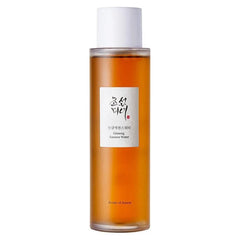
A cleanser that's too strong can make skin feel instantly clean, but it weakens the hydrolipidic film — in response, the skin can become more sensitive, redder and sometimes produce even more sebum. Morning and evening, choose a gentle-pH cleanser that doesn't leave that “squeaky clean” feeling.
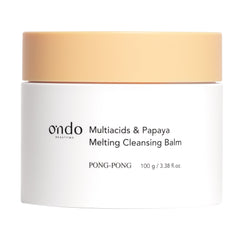
If you have combination or oily skin prone to breakouts, that doesn't mean using a harsh purifying gel twice a day. In the evening, double cleansing can be useful if you wear make-up or long-wearing sunscreen, as long as both steps stay comfortable.
Repair
Make soothing a real step in your routine
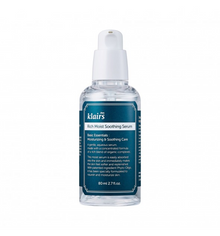
Centella asiatica is a much-loved K-beauty ally for reactive skin marked by blemishes. It helps calm the feeling of heat and supports the skin's repair process. Formulas based on panthenol, allantoin, beta-glucan, green tea or mugwort are also worth a look.
“Acne-prone skin needs hydration too — it's often a decisive step in calming persistent redness.”
Look for a non-occlusive cream containing ceramides, squalane or glycerin. The right product isn't necessarily the richest: on oily skin, a gel-cream is often enough.
Targeted active
Niacinamide to rebalance and even out
Niacinamide is an excellent choice when you want to tackle redness, excess sebum and uneven skin tone all at once. It supports the skin barrier and can help your skin look more even over time.

Use it morning or evening, after a hydrating toner and before your cream. If you feel stinging, space out applications — a higher concentration doesn't always mean better results.
Non-negotiable
Sun protection, the step that stops marks from settling in
Without daily sun protection, post-breakout marks can look more visible and take longer to fade. UV rays keep inflammation going and also encourage brown spots to appear.

To avoid
The mistakes that make redness last
The first mistake is touching or squeezing the spot — mechanical trauma increases the risk of lasting redness, a dark mark and sometimes a scar. The second is changing your routine every three days: inflamed skin needs consistency to show visible improvement.
Also be wary of irritating remedies such as lemon, pure alcohol or undiluted essential oils. If the redness comes with pain, deep spots or scars that are becoming indented, it's best to seek medical advice.
- ANUA Niacinamide 10% + TXA 4% to rebalance redness and uneven skin tone
- ONDO BEAUTY Ceramide & Cica Sun Cream to stop marks from settling in
- See the full targeted skincare selection →
- Post-breakout redness is inflammation, not always a pigmentation spot.
- A gentle cleanser and suitable hydration are more useful than a harsh treatment.
- Niacinamide helps rebalance sebum and skin tone without aggression.
- Daily SPF stops marks from settling in for the long term.
Your skin doesn't have to be perfect to be beautiful. At Haru & Bom, we help you get back to a calm complexion, with patience and the right actives. Discover the full K-beauty selection →