The best Korean cleanser for oily skin
Oily skin shouldn’t be stripped — it should be balanced. Korean cleansers figured this out long ago: purify without harshness, regulate without drying. Here is our pick of the best K-beauty cleansers for oily and combination skin.
The foundation of everything
Why cleansing is the most important step for oily skin
For oily skin, your cleanser is no minor step. It sets the tone for the rest of your routine. An overly harsh cleanser will strip the skin and trigger a rebound in sebum production — leaving you with even more shine and breakouts than before.
K-beauty takes a radically different approach: cleansing at the right pH, with formulas that respect the skin’s natural hydrolipidic film. The result: your skin doesn’t overcompensate, sebum gradually regulates and pores clog less.
“A good cleanser doesn’t leave your skin feeling tight. If it does, it’s too harsh.”
It’s often the first thing to change when a routine isn’t working. Before you even think about serums or actives, your cleanser needs to be flawless.
The essential criteria
How to choose the right Korean cleanser for oily skin
Not all cleansers are created equal. For oily skin, here are the criteria to check before you buy:
pH. A pH-balanced cleanser (between 4.5 and 6.5) respects the skin barrier and avoids the rebound effect. Most traditional soaps have a pH that’s too high (8–10), which irritates the skin and stimulates sebum production.
Texture. Gel, foam or powder — all three work well on oily skin. What matters is that the formula is light, rinses off easily and leaves no greasy residue.
Surfactants. Favour formulas free from harsh sulphates (SLS, SLES). Gentle surfactants such as coco-glucoside or sodium cocoyl glutamate cleanse effectively without stripping.
Key ingredients
Actives to look for in a cleanser for oily skin
Salicylic acid (BHA) is the star active for oily skin. Being oil-soluble, it gets into pores to unclog them from within. At a low concentration in a cleanser (0.5%), it exfoliates gently with every wash without irritating.
Green tea is rich in antioxidants and EGCG, a compound that helps regulate sebum production. It also soothes redness linked to breakouts.
Tea tree has natural purifying properties. It helps limit the spread of the bacteria responsible for spots, without attacking the skin the way a high-alcohol product would.
Centella asiatica isn’t just for dry skin. On inflamed oily skin, it reduces redness and speeds up the healing of blemishes.
Common pitfalls
Mistakes to avoid with a cleanser for oily skin
Washing your face too often. Cleansing more than twice a day (morning and evening) stimulates sebum production. If you sweat a lot during the day, a simple rinse with lukewarm water is enough.
Choosing an overly harsh “mattifying” cleanser. Very stripping formulas give an instant squeaky-clean feeling, but the skin bounces back by producing even more sebum in the hours that follow.
Scrubbing too hard. Oily skin doesn’t need to be scrubbed — it needs to be cleansed gently. Massage the cleanser in circular motions for 60 seconds, then rinse with lukewarm (not hot) water.
Our selection
The best Korean cleansers for oily skin available at Haru & Bom
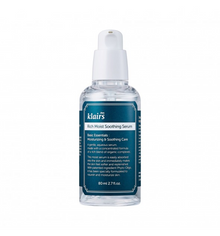
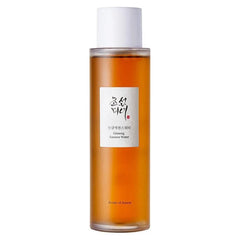
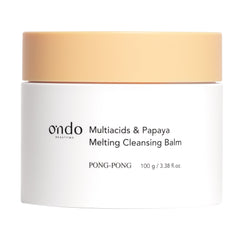
Here are the cleansers we recommend for oily and combination skin. Each has its own strengths — it’s up to you to choose according to your skin profile.


Fitting it into your routine
How to use your Korean cleanser every day
In the morning, one cleanse is enough — and if your skin isn’t very oily when you wake up, a simple rinse with lukewarm water may do. Save the cleanser for the evening.
In the evening, if you wear sun protection (which you should every day), start with a makeup remover or cleansing oil to dissolve oily residue, then follow with your water-based cleanser. That’s the Korean double cleanse — it ensures truly clean skin without harshness.
After cleansing, immediately apply a hydrating toner to still-slightly-damp skin. It’s the step many people skip — and it often explains the sebum rebound effect.
Frequently asked questions
FAQ — Korean cleanser for oily skin
How many times a day should you wash your face if you have oily skin?
Twice at most — morning and evening. Washing more often stimulates sebum production and weakens the skin barrier. If you sweat a lot during the day (which is common on Reunion Island), a rinse with lukewarm water and no cleanser is enough.
Can a salicylic acid cleanser replace an exfoliant?
Partly. A 0.5% BHA cleanser exfoliates gently with every use, which can be enough for mildly congested skin. For very clogged pores or stubborn blackheads, a concentrated BHA exfoliant (such as the COSRX BHA Blackhead Power Liquid) remains more effective as a targeted treatment.
Can you use a Korean cleanser for oily skin if your skin is also sensitive?
Yes — that’s actually the advantage of K-beauty cleansers. Formulas such as Aromatica’s Tea Tree Balancing Foaming Cleanser or Benton’s Goodbye Redness Centella Powder Wash are specially designed for skin that’s oily AND sensitive — they purify without irritating.
Which cleanser should I choose if I have oily skin and redness?
Benton’s Goodbye Redness Centella Powder Wash is made for you. Calamine and centella asiatica soothe redness while plant enzymes cleanse gently. Alternatively, Benton’s Deep Green Tea Cleansing Foam is also very well tolerated by reactive skin.
- An overly harsh cleanser makes oily skin worse — choose a balanced pH between 4.5 and 6.5
- BHA (salicylic acid) in a cleanser gently exfoliates pores with every wash
- Double cleansing in the evening is essential if you wear sun protection
- After cleansing, apply a toner straight away to avoid the sebum rebound effect
- Massage your cleanser in for 60 seconds before rinsing to maximise the actives’ effect
The right cleanser is often the fastest transformation you’ll see on oily skin. No need to wait weeks — within a few days, your skin rebalances, shines less and responds better to the products that follow. Explore our full collection of Korean cleansers or discover our oily skin skincare selection to complete your routine.