
A care guide for
reactive skin, calmed for good
Does your skin sting after cleansing, flush without warning, or suddenly reject the serum that suited it yesterday? The goal isn't to pile on soothing products, but to rebuild a clear routine that truly suits you.
Diagnosis
Reactive skin or sensitive skin: understanding the difference
Sensitive skin describes a lasting predisposition to discomfort. Reactive skin shows an excessive response to a trigger: hot water, friction, poorly combined actives, stress or sun. The two often overlap.
Method
Start with a short routine
When your skin protests, add less rather than more. For two to three weeks, three steps are enough: cleanse without stripping, hydrate generously, protect from the sun. Introduce only one new product at a time.
Formulation
The actives that soothe without weighing skin down
Niacinamide can help balance sebum and even out skin tone — at a gentle strength if your skin is going through a reactive phase. Ceramides strengthen the barrier function.


“Reactive skin appreciates consistency, not intensity.”
Gradual return
Reintroducing actives without triggering redness again
Once your skin has felt comfortable for at least two weeks, bring back one targeted active at a time. Retinol calls for a gradual approach: once a week to begin with, on thoroughly dry skin, with generous hydration.
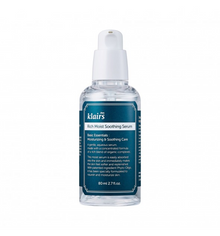
- Dear Klairs Supple Preparation Toner for basic hydration
- ANUA Niacinamide 10% + TXA 4% for a gentle, effective active
- See the Sensitive Skin collection →
- Reactive skin = an excessive response to a trigger, not a fixed skin type.
- Simplify your routine to 3 steps while your skin stabilises.
- Reintroduce one active at a time, with several days of observation.
- See a professional if redness persists or worsens.
At Haru & Bom, when skin feels protected and less overworked, the glow often comes back on its own. Discover our reactive skin care →