Korean cream for redness —
for sensitive skin
When your skin heats up with the slightest cleanser, turns red after a shower or stings as soon as an active is dosed a little too high, choosing a cream is no longer a matter of chance. K-beauty stands out with formulas designed to soothe, strengthen the skin barrier and calm inflammation without suffocating the skin.
The Korean approach
Why a Korean cream really helps with redness
The real issue isn't just hiding redness. It's understanding why it sets in. In a lot of sensitive skin, the hydrolipidic film is weakened: water evaporates faster, irritants penetrate more easily, and the skin reacts in a chain reaction.
Korean skincare takes an interesting approach to reactive skin. Where some Western creams rely on occlusion or immediate comfort, many Korean products work on several levels at once: hydration, soothing, barrier repair and a gradual reduction in reactivity.
“A good cream shouldn't just be "rich" — it should make sense for your skin profile.”
Key ingredients
Korean cream for redness and sensitive skin: the actives to look for
Centella asiatica is one of the great classics for calming discomfort and supporting skin repair. It's often paired with derivatives such as madecassoside or asiaticoside, much loved by skin that reddens easily.

Ceramides are just as important. They help restore the skin barrier, reducing water loss and making the skin less vulnerable. Panthenol brings real comfort to irritated skin.
Beta-glucan, allantoin, mugwort, heartleaf and certain fermented extracts can also be excellent allies. Niacinamide can be worthwhile, but with nuance: well formulated and at a moderate dose, it helps strengthen the skin — but some highly sensitised skin reacts badly to percentages that are too high.
For your profile
The best textures for your skin type
Sensitive skin isn't necessarily dry — that's a common mistake. You can have combination, oily or breakout-prone skin while still suffering from diffuse redness or occasional sensitisation.
If your skin is combination to oily, choose a light but lipid-replenishing cream that hydrates without a heavy film. Gel-cream textures with centella, panthenol and ceramides often work very well.

If your skin is normal to dry, a more cocooning cream will often be better suited. If your skin is ultra-reactive, especially after overusing acids or harsh cleansers, tolerance is the absolute priority: the fewer unnecessary stimuli, the better.
The pitfalls
What's best avoided if your skin reddens easily
Fragrance isn't systematically a problem for everyone, but on sensitised skin it can become an aggravating factor. The same goes for essential oils.
Also be wary of overly ambitious routines. An excellent cream won't make up for a stripping cleanser, an exfoliant used too often and a highly dosed serum applied every evening. Redness often comes from a build-up — it's not always the cream that's missing; sometimes it's the whole routine that needs simplifying.
For more established or recurring redness, a soothing mist can be a good addition to your routine, to use at any time of day.

Morning & evening
How to fit a Korean cream into an anti-redness routine
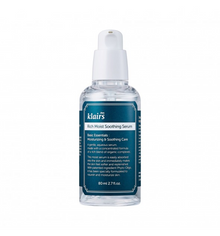
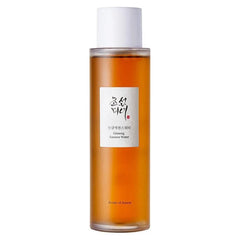
In the evening, start with a gentle cleanse. Then apply a hydrating toner or essence if it suits you, followed by a soothing serum, before your cream.
In the morning, the logic is the same, but lighter. The cream seals in hydration and preps the skin for sun protection, which is essential — redness-prone skin generally copes poorly with repeated UV exposure.

Consistency matters more than quantity. A good cream used morning and evening for several weeks often gives better results than a very active product applied irregularly.
The signs
How to recognise real improvement
Soothing isn't measured only in the mirror. The first signs of progress are often sensory: less stinging after cleansing, less heat at the end of the day, less tightness.
This is an essential point, because many people expect a spectacular effect within 48 hours. If your redness is linked to a compromised barrier, repair takes a little time — a lasting drop in reactivity builds up over several weeks.
Staying realistic
When a cream isn't enough
If your redness is very localised, persistent, associated with hot flushes or extreme sensitivity, a simple cream won't always sort everything out. Skin can present early-stage rosacea, dermatitis or chronic irritation that warrants medical advice.
The right approach is to see your cream as a supporting pillar, not a miracle solution. It improves the skin environment and reduces the inflammatory terrain — but sometimes you also need to adjust your cleansing, actives and sun exposure.
- SOS centella cleanser — BENTON Goodbye Redness Centella Powder Wash — 19,90€
- Light gel cream — MEISANI Niacinamide Cucumber Aqua Gel Cream — 27,90€
- Soothing mist — HYGGEE Relief Chamomile Mist — 31,90€
- View the full Redness collection →
- Redness often comes from a weakened skin barrier — the goal is to repair it, not just to hide the symptom.
- Centella asiatica, ceramides and panthenol are the go-to actives for calming reactive skin.
- Sensitive skin isn't necessarily dry — match the texture to your profile, not to the marketing.
- Fragrance and overly ambitious routines often worsen redness more than they treat it.
- Stability matters more than intensity: a simple routine kept up for several weeks beats a strong product used irregularly.
At Haru & Bom, we'd rather choose one cream that truly makes sense for your skin profile than stack up promises. View the Redness collection →