
How to repair a damaged
skin barrier
Your skin feels tight even though you've just applied your moisturiser, it reddens faster than before, it stings with the slightest serum? That's often the sign of a weakened skin barrier. The real challenge isn't adding more products, but giving your skin back what it has lost: protection, water and comfort.
How to recognise a damaged skin barrier
A struggling barrier doesn't necessarily look like dry skin in the classic sense — you can have combination or oily skin and still have a compromised barrier. The most common signs: tightness, skin that feels thin or hot, diffuse redness, unusual reactivity, flaking.
This is where many people go wrong: skin that produces more sebum isn't always well-nourished skin. When the barrier is damaged, skin can overcompensate — you're shiny, but you're also dehydrated and more sensitive to actives.
Why skin gets thrown off balance so quickly
The skin barrier limits water loss and helps the skin defend itself against external aggressors. When it cracks, water evaporates more easily and irritants penetrate further.
Repairing a damaged skin barrier without making things worse
1. Put strong actives on pause
If your skin burns, peels or reacts at the slightest touch, now isn't the time for AHAs, BHAs, peels, very acidic vitamin C or retinol. Pausing isn't going backwards — it's a repair phase.
2. Choose a truly gentle cleanse
Cleansing should leave your skin clean, not tight. If your face squeaks after rinsing, the product is too harsh.

3. Put hydration back at the centre
A damaged barrier needs water and ways to hold on to it — glycerin, hyaluronic acid, panthenol, beta-glucan.

4. Repair with skin-compatible lipids
To restore the barrier: ceramides, cholesterol, fatty acids, squalane.

5. Focus on soothing actives
When skin is in crisis, it doesn't need stimulating — it needs calming: centella asiatica, panthenol, allantoin.

Morning and evening, keep your routine short. If your skin is very irritated, you can even drop the serum for a few days and stick to cleanser, moisturiser, SPF.

The mistakes that slow down repair
Confusing repair with doing nothing at all — you need to slow down, not leave your skin without hydration or protection. Going back to exfoliants too soon because your complexion looks dull. Forgetting SPF — skin with a weakened barrier copes even less well with UV.
When to reintroduce actives
If your skin no longer stings, feels less tight and the redness has eased, you can consider a gradual return — one active at a time, at a low frequency, observing for several days.
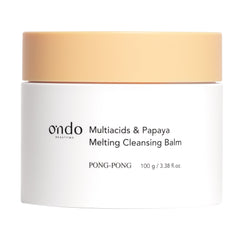
- Make-up remover — ONDO BEAUTY Cleansing Balm — 22,90€
- Essence — ANUA Peach 77% Niacin Essence — 26,90€
- Ceramide cream — MEISANI Gel Cream — 27,90€
- Soothing SPF — COSRX Aloe Soothing Sun Cream — 28,90€
- Oily skin doesn't mean healthy skin — the barrier can be damaged even if you're shiny.
- Pause strong actives at the first signs: tightness, stinging, redness.
- Ceramides, squalane, centella and panthenol are the pillars of repair.
- A short routine (gentle cleanser, moisturiser, SPF) is often more effective than a loaded one.
- Reintroduce actives one by one, watching how your skin reacts over several days.
At Haru & Bom, a lasting glow rarely starts with more intensity — it often starts with more gentleness. Discover our repair selection →